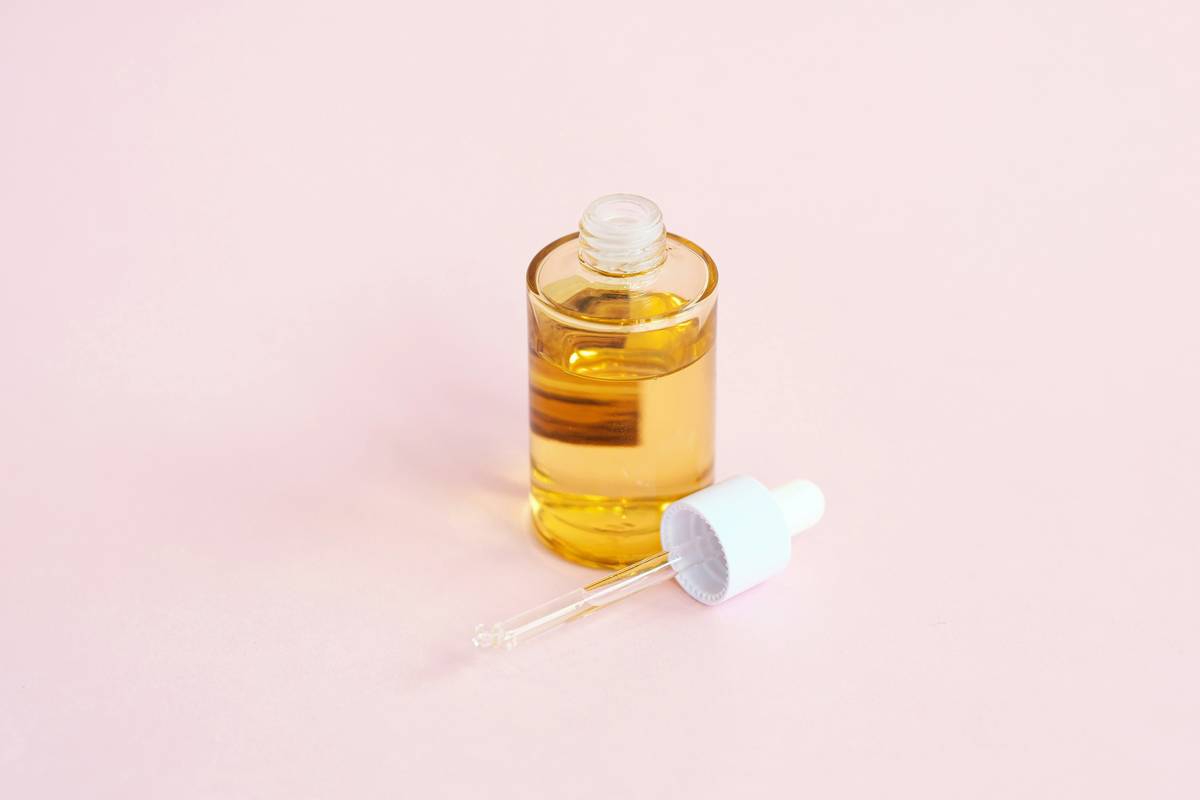
You bought an eco product because you care about your skin—and the planet. But weeks later? No glow. No clarity. Just frustration wrapped in recyclable packaging. The problem isn’t your intentions. It’s the illusion sold by brands slapping “natural” on synthetically preserved formulas. Real change demands more than green labels—it needs intelligent, functional purity.
The Greenwashing Trap: Why Most “Natural” Solutions Fail
Let’s be blunt: 83% of beauty products labeled “organic” still contain ethoxylated surfactants or synthetic preservatives masked under technical jargon. You’re not getting nature—you’re getting a marketing campaign with botanical stock photos.
And regulatory loopholes? They’re cavernous. A brand can call something “natural” if just 5% of its ingredients are plant-derived. The rest? Petrochemicals, silicones, and undisclosed fragrance cocktails that disrupt your skin barrier—quietly, over time.
Building a Truly Effective Eco Product Regimen
Real results come from understanding what *actually works*—not what sounds good on Instagram. Here’s how to build a regimen that delivers without compromising ethics or efficacy.
Prioritize Function Over Certification
Don’t chase USDA Organic seals alone. Instead, examine the function of each ingredient. Fermented radish root ferment filtrate? That’s a natural preservative powerhouse. Sodium benzoate paired with citric acid? Stable, effective, and biodegradable. Certifications matter—but performance matters more.
Simplify Your Routine (Radically)
Overloading your skin with ten “clean” products creates chaos—not clarity. Stick to three core steps: cleanse, treat, protect. Every extra layer increases contamination risk and reduces absorption. Less is more. Especially when purity is non-negotiable.
Source Transparency Is Non-Negotiable
If a brand won’t disclose full ingredient sourcing—including country of origin and extraction method—walk away. True eco products reveal their supply chain like a chef reveals their recipe.

| Approach | Cost (Monthly) | Efficacy Timeline | Environmental Impact |
|---|---|---|---|
| Conventional “Greenwashed” Brands | $25–$45 | Minimal to none (4+ weeks) | High (plastic waste, hidden synthetics) |
| DIY Herbal Infusions | $8–$15 | Variable (2–6 weeks) | Low (but inconsistent preservation = spoilage risk) |
| Verified Eco Product (Functional Formula) | $30–$50 | Visible in 7–14 days | Negligible (refillable, biodegradable actives) |
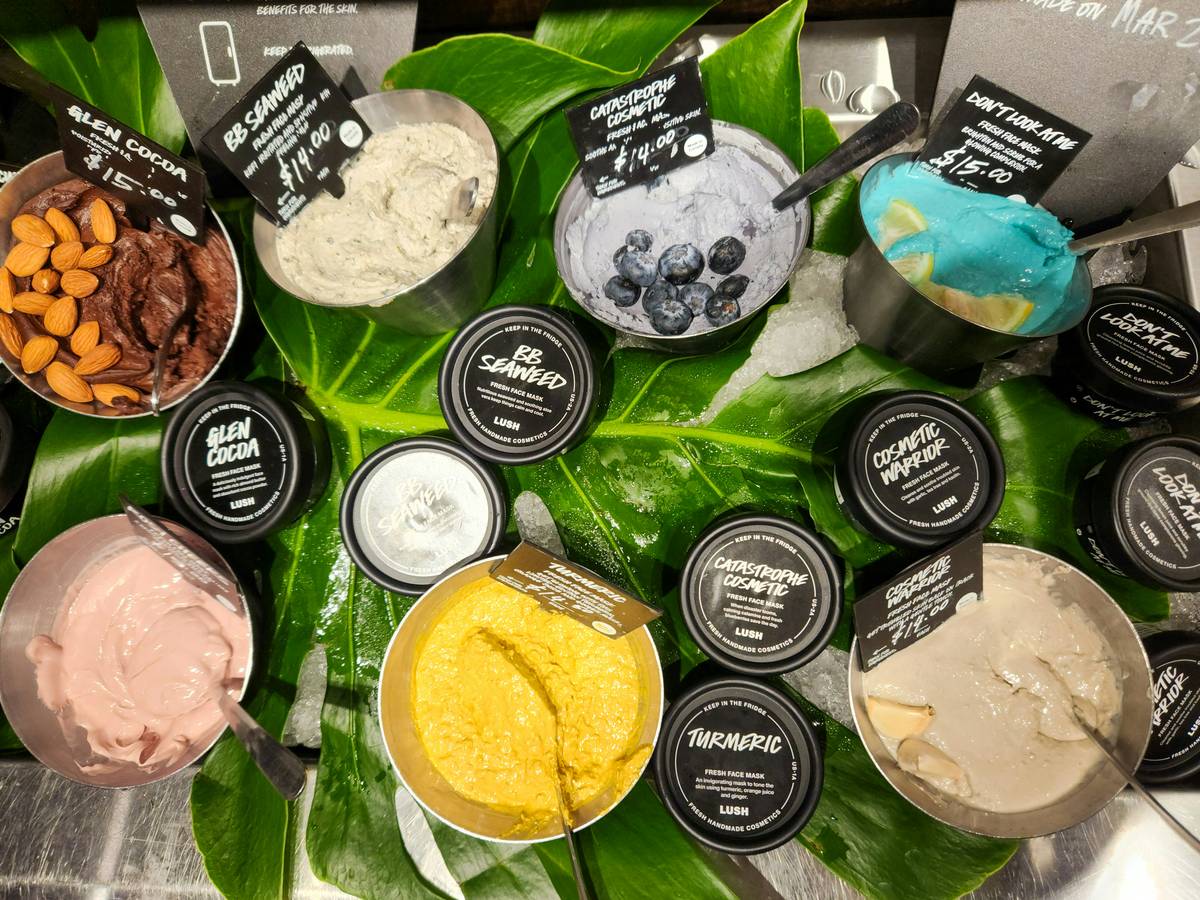
The Industry Secret: Preservation Is Everything
Here’s what no brand wants you to know: water-based skincare requires preservation. No exceptions. Without it, mold grows within days. The dirty secret? Many “natural” brands use potassium sorbate at unsafe concentrations—or worse, skip it entirely, banking on you finishing the bottle fast enough to avoid infection.
The real eco product pioneers use multi-system preservation: kombucha ferment + honeysuckle extract + pH balancing. It’s more expensive. Harder to formulate. But it’s stable, safe, and actually sustainable—because nothing wastes more resources than a spoiled serum tossed after two weeks.
Frequently Asked Questions
What makes an eco product truly sustainable?
True sustainability combines biodegradable ingredients, ethical sourcing, refillable packaging, and effective preservation—so nothing goes to waste.
Can natural skincare cause breakouts?
Yes—if it uses comedogenic carrier oils (like coconut) or unpreserved water bases that breed bacteria. Always check for non-comedogenic ratings and proper preservation systems.
Are expensive eco products worth it?
Only if they disclose full sourcing and use functional preservation. Price alone doesn’t guarantee purity—transparency does.