Your scalp itches. Your ends split. You’ve swapped shampoos like socks—yet your hair still looks dull, lifeless, brittle. Why? Because most “natural” hair products are greenwashed theater. The real solution isn’t just swapping bottles—it’s rethinking the entire system. Enter green hair care: not a trend, but a return to intelligence.
Why Conventional “Natural” Hair Products Fail
That sulfate-free label? Meaningless if it’s loaded with synthetic fragrances, silicones, or hidden alcohols that strip moisture over time. And don’t get me started on “botanical blends” that contain less plant extract than your morning tea. The truth: big beauty banks on confusion. They slap a leaf on the bottle and call it eco—but your hair pays the price.
Here’s the reality: true green hair care starts with what’s *not* in the formula—not just what is. No fillers. No lab-made “naturals.” Just functional, biodegradable ingredients that work *with* your biology, not against it.
Building a Green Hair Care Routine That Actually Works
Forget complicated regimens. Real sustainability is simplicity. Here’s how to build a routine that’s clean, effective, and kind to both your strands and the planet.
Step 1: Audit Your Current Products
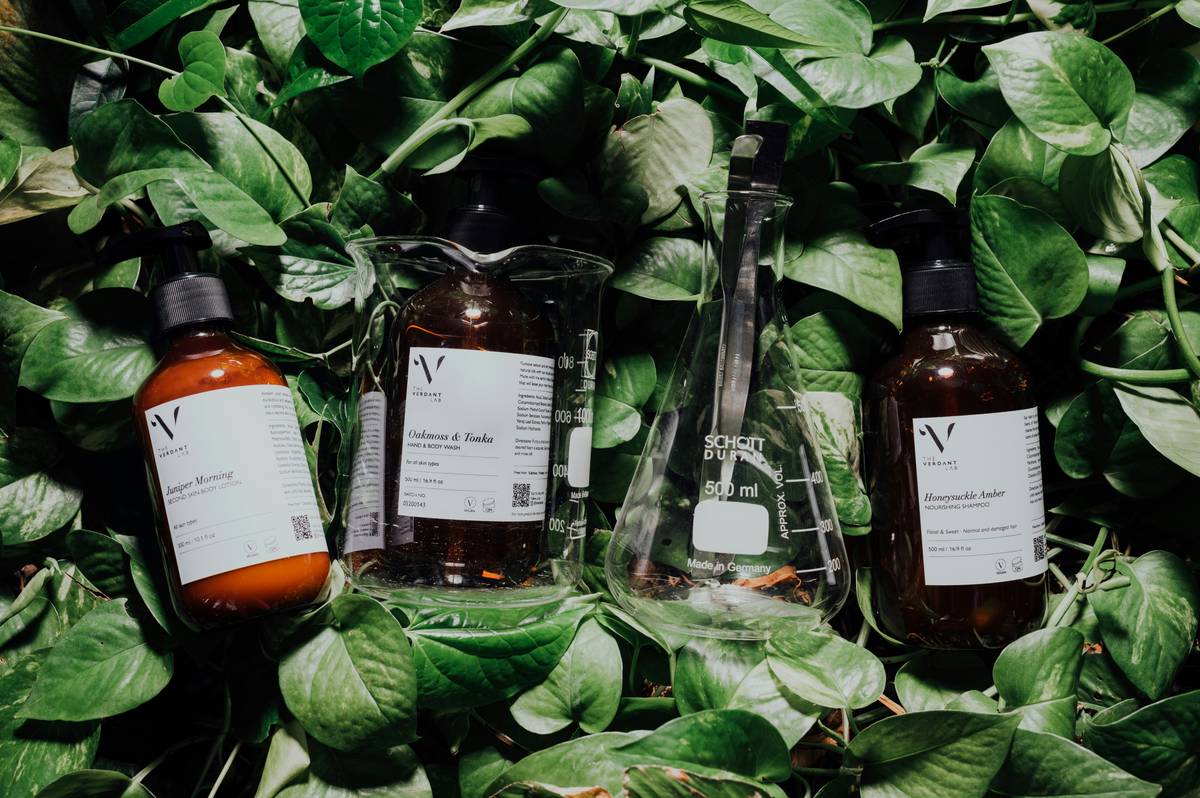
Flip every bottle. Scan for PEGs, parabens, phthalates, and anything ending in “-cone” or “-xane.” If you can’t pronounce it or don’t recognize it as food-grade? Toss it. Yes, even if it says “organic.” Certification loopholes let brands sneak in questionable additives under vague terms like “fragrance.”
Step 2: Choose Core Ingredients That Deliver
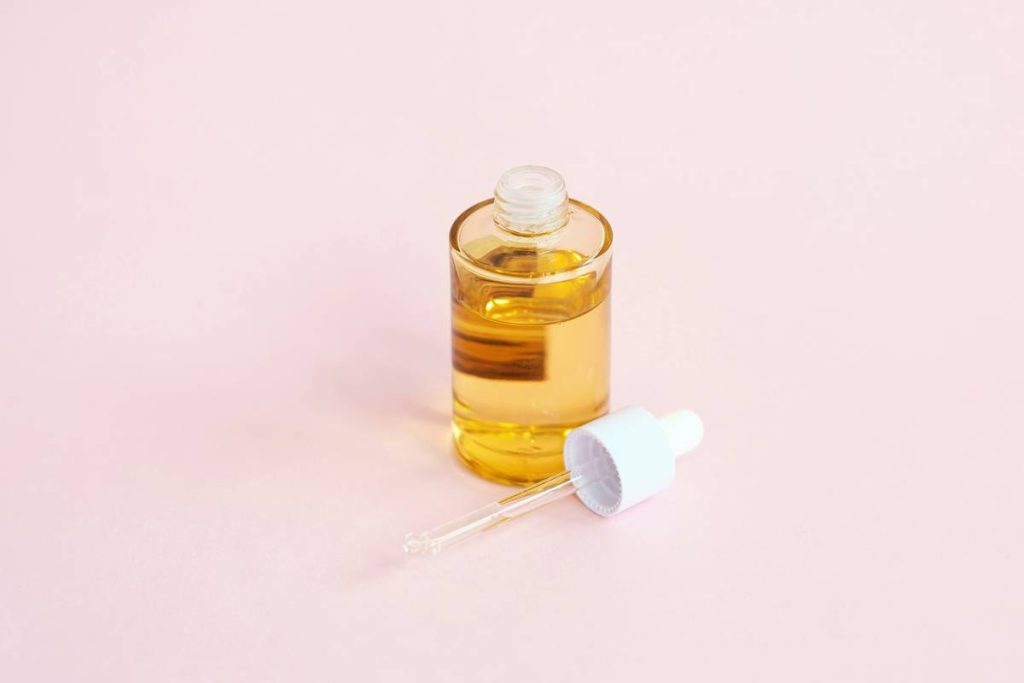
Look for cold-pressed oils (jojoba, argan, tamanu), fermented herbal infusions (nettle, horsetail, rosemary), and plant-based surfactants like decyl glucoside. These aren’t just gentle—they’re bioactive. They nourish follicles, balance sebum, and strengthen keratin without buildup.
Step 3: Match Method to Hair Type
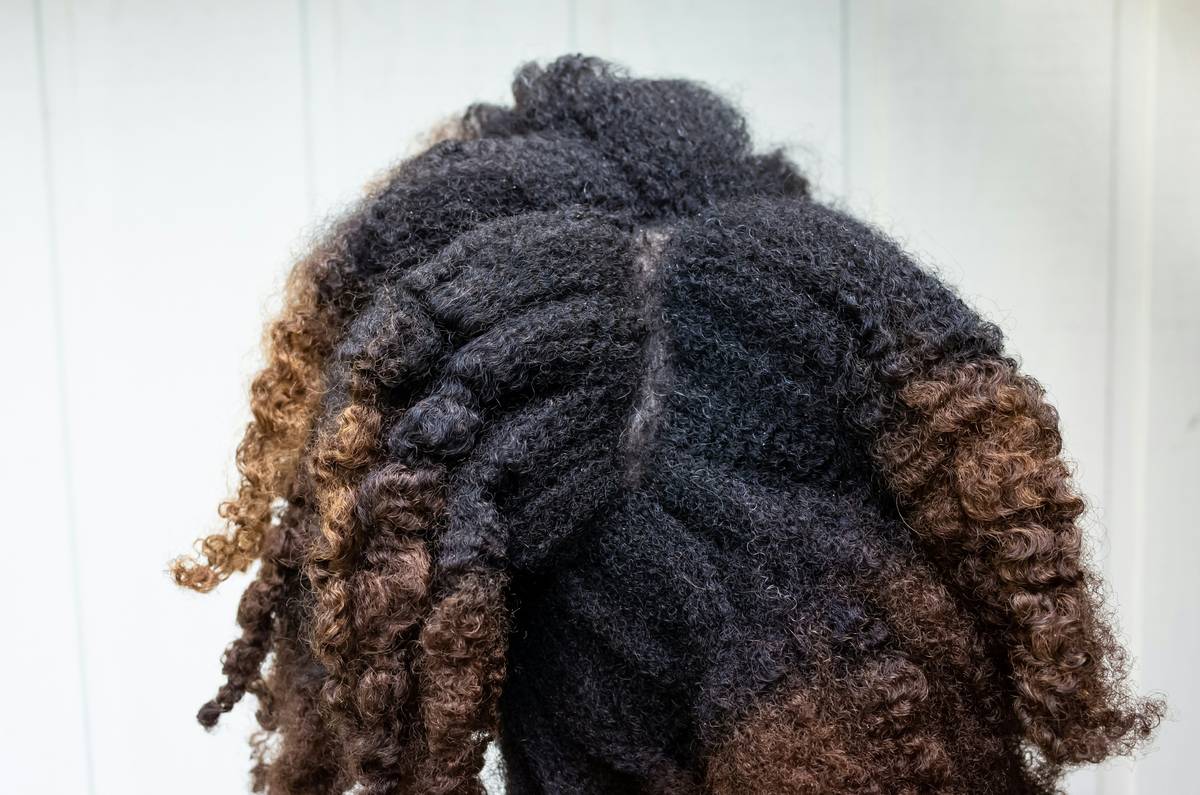
Curly? Coily? Fine-stranded? Your green strategy must adapt. Dense curls thrive on oil pre-wash treatments; fine hair needs lightweight hydrosols, not heavy creams. One-size-fits-all doesn’t exist—even in nature.
| Approach | Best For | Key Ingredients | Avg. Cost/month |
|---|---|---|---|
| Oil Cleansing (No-Poo) | Curly, dry, or color-treated hair | Olive oil, castor oil, apple cider vinegar rinse | $8–$12 |
| Herbal Rinse System | Fine, oily, or sensitive scalps | Green tea, chamomile, aloe vera gel | $6–$10 |
| Minimalist Bar Shampoo | All types (travel-friendly) | Sodium cocoyl isethionate, cocoa butter, essential oils | $10–$15 |
The Industry Secret: It’s Not About the Bottle—It’s About the Water
Here’s what no brand will tell you: your tap water might be undoing all your green efforts. Hard water deposits—calcium, magnesium, chlorine—bind to hair, creating invisible film that blocks nutrient absorption. Even the purest aloe rinse won’t penetrate that barrier. Solution? Install a simple shower filter with KDF + activated carbon media. Costs under $30. Changes everything. I’ve seen clients’ frizz drop 60% within two weeks—not from new products, but from cleaner water. The math is simple: if your canvas is dirty, your masterpiece won’t stick.
Frequently Asked Questions
Is green hair care suitable for all hair types?
Yes—but customization is key. Curly hair benefits from oil-based cleansing, while fine hair thrives with light herbal rinses. Avoid one-size-fits-all claims.
How long does it take to see results from green hair care?
Most notice reduced breakage in 2–4 weeks. Full shine and scalp balance typically emerge by week 6 as residue clears and follicles detox.
Can I use green hair care with colored hair?
Absolutely. In fact, chelating herbs like rhubarb root and marshmallow help preserve color by neutralizing mineral buildup that causes fading.