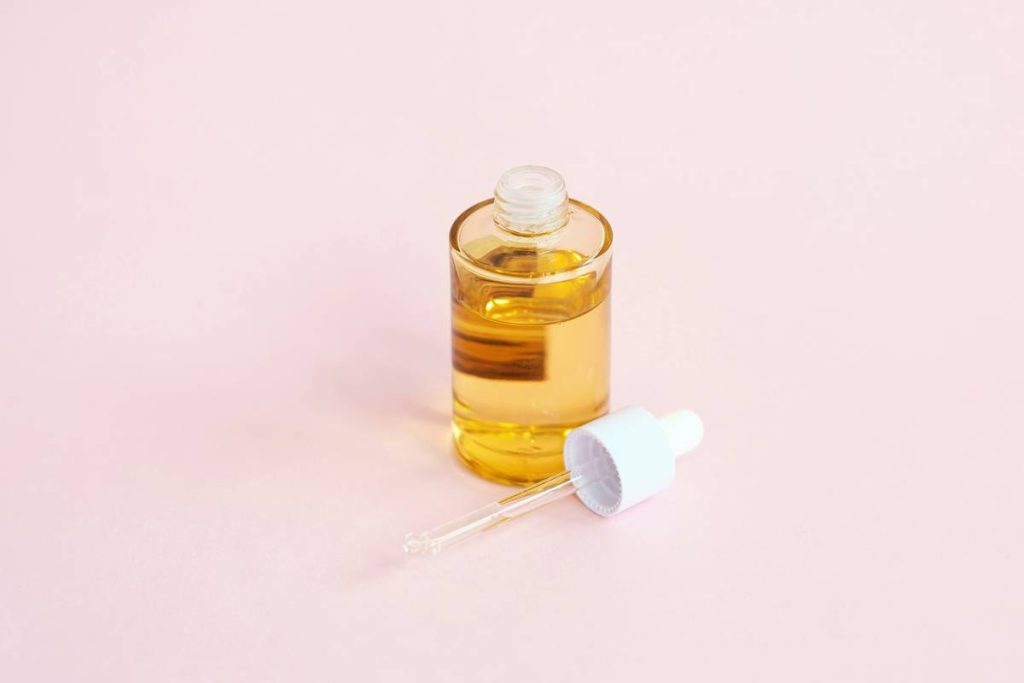
Your skin feels tight. Flaky by noon. Reactive to every new product. You’ve slathered on serums, slept in masks, even tried those “dermatologist-recommended” lotions—yet nothing sticks. Here’s the brutal truth: most creams are packed with synthetic emulsifiers, silicones, and hidden alcohols that strip your barrier over time. They promise hydration but deliver dependency. The real solution? A truly clean, plant-powered organic cream—formulated not just to soothe, but to restore.
The Hidden Cost of “Natural-Labeled” Moisturizers
That jar labeled “natural” might contain only 5% actual plant extracts. The rest? Petrochemical derivatives disguised as “fragrance,” phenoxyethanol, or PEGs. These ingredients create a temporary smoothness—but disrupt your skin’s lipid matrix long-term.
And here’s what brands won’t tell you: regulatory loopholes let them call a product “organic” if it contains just one certified ingredient. The math is simple. If your cream doesn’t list full INCI transparency or USDA/Ecocert certification, it’s greenwashing—not skincare.
How to Choose and Use an Organic Cream That Actually Works
Not all organic creams are created equal. Efficacy hinges on three non-negotiables: cold-processed botanicals, bioactive preservation (like radish root ferment), and zero synthetic thickeners. Follow this protocol:
Prioritize Active Plant Lipids Over Water Weight
Avoid creams where water (“aqua”) is the first ingredient. True hydration comes from ceramide-rich oils like tamanu, sea buckthorn, and shea butter—mimicking your skin’s natural sebum.
Check for Synergistic Preservation
Organic formulas spoil fast without harsh preservatives. Look for blends using rosemary extract + potassium sorbate—or better yet, fermented radish root. These protect without irritation.
Apply to Damp Skin Within 60 Seconds of Cleansing
Water evaporates quickly. Seal in moisture while your pores are still receptive. This isn’t just advice—it’s biochemistry.

| Factor | Conventional Cream | True Organic Cream |
|---|---|---|
| Primary Emollients | Mineral oil, dimethicone | Jojoba oil, shea butter, borage seed |
| Preservation System | Parabens, phenoxyethanol | Fermented radish root, vitamin E |
| Barrier Repair Time | Temporary (4–6 hrs) | Sustained (24+ hrs with consistent use) |
| Average Price per Ounce | $0.80–$1.50 | $2.20–$4.00 |
The Industry Secret: Why Most Organic Creams Still Fail
Here’s the reality most formulators won’t admit: cold-pressed oils degrade within weeks if exposed to light or air during manufacturing. Many “premium” organic creams are batch-mixed in open vats under fluorescent lighting—destroying polyphenols before the jar even seals.
The fix? Demand nitrogen-flushed packaging and opaque containers. At SustenanthHealth, we test each batch for ORAC (oxygen radical absorbance capacity)—not just pH or viscosity. Because antioxidant potency = real anti-aging. Period.

Frequently Asked Questions
Is organic cream suitable for oily or acne-prone skin?
Absolutely—if it uses non-comedogenic oils like squalane or hemp seed. Avoid coconut oil-based formulas. Lightweight organic creams actually regulate sebum better than silicones.
How long does it take to see results from switching to organic cream?
Most notice reduced redness in 3–5 days. Full barrier restoration takes 28 days—the natural skin turnover cycle. Consistency matters more than concentration.
Can I layer organic cream under sunscreen or makeup?
Yes. Let it absorb for 90 seconds first. Organic creams lack silicones, so mineral sunscreens adhere better—without pilling.