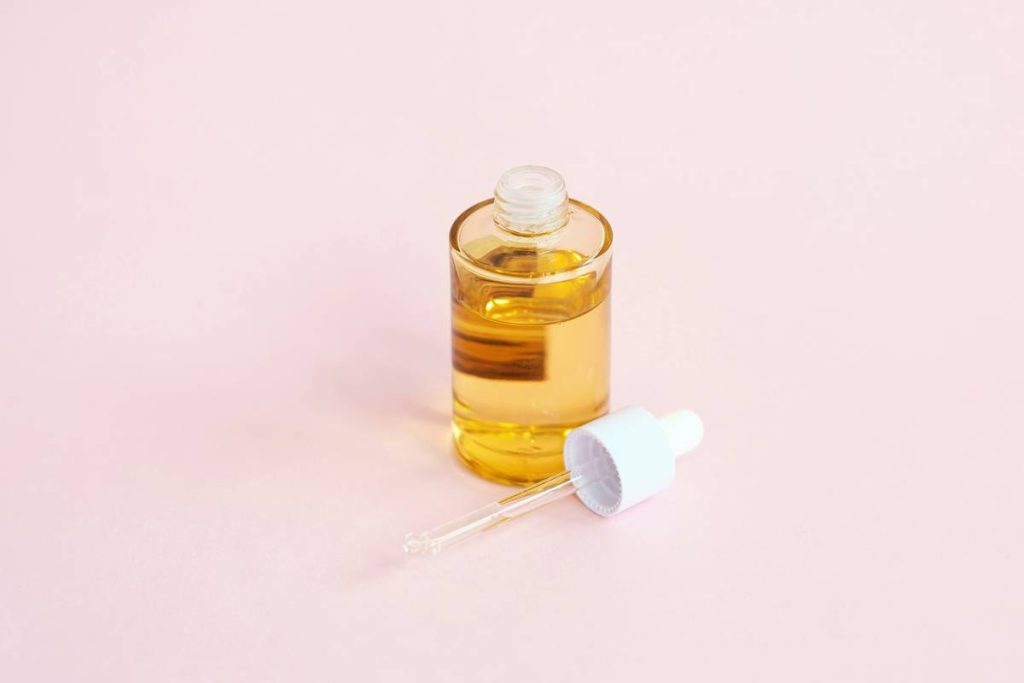
You’ve tried every glowing potion promising dewy skin. But your face still feels tight, reactive, or dull. The harsh truth? Most “clean” serums hide synthetic stabilizers, unsustainable sourcing, or greenwashed labels. A sustainable serum isn’t just marketing fluff—it’s the only way to nourish your skin without draining the planet.
The Core Problem: Why Standard “Natural” Serums Fail
Brands slap “organic” on bottles filled with watered-down extracts and palm-oil derivatives shipped across continents. And you pay premium prices for formulations that degrade within weeks—forcing repeat purchases and more plastic waste. The irony? You’re trying to heal your skin while feeding a broken system.
Most so-called green beauty products rely on lab-isolated actives stripped of co-factors nature intended them to work with. Without the full phytonutrient profile, efficacy plummets. Your skin senses the difference—even if the ingredient list looks impressive.
How to Choose a Truly Sustainable Serum
Finding integrity in skincare means looking beyond the label. Here’s how to cut through the noise—and invest in a formula that delivers visible results without ethical compromise.
Check the Source, Not Just the Claim
Was that rosehip oil cold-pressed on a regenerative farm—or extracted with hexane in a factory? Traceability matters. Look for brands publishing harvest dates, farm names, and third-party soil health reports. Transparency = trust.
Packaging That Walks the Talk
Aluminum, glass, or infinitely recyclable PCR plastic? Avoid airless pumps with mixed materials—they can’t be recycled. And skip droppers with rubber bulbs; they leach microplastics over time. Sustainable serum delivery should mirror its contents: pure, functional, circular.
Stability Without Synthetic Preservatives
Real preservation comes from smart formulation—not parabens or phenoxyethanol. Think: rosemary CO2 extract, fermented radish root, or willow bark. These not only extend shelf life but actively soothe skin. Bonus: they break down harmlessly post-use.

| Feature | Greenwashed Serum | True Sustainable Serum |
|---|---|---|
| Active Ingredients | Isolated synthetics (e.g., ascorbic acid) | Whole-plant extracts (e.g., acerola cherry + bioflavonoids) |
| Packaging | Virgin plastic, non-recyclable pump | Refillable glass + aluminum cap |
| Carbon Footprint | Sourced globally, flown in | Locally grown, solar-powered extraction |
| Shelf Life Strategy | Synthetic preservatives | Antioxidant-rich base oils + dark glass |

The Industry Secret: Small-Batch Fermentation Is the Future
Here’s what no big brand wants you to know: fermentation unlocks bioavailability while eliminating the need for harsh solvents. A small-batch fermented green tea serum, for example, delivers 3x more EGCG than its unfermented counterpart—without ethanol or PEGs. And because it’s alive with postbiotics, it calms inflammation better than most prescription topicals. But scale kills this process. Mass production demands sterility over symbiosis. So the best sustainable serum often comes from artisans—not conglomerates. Think about it: your skin is an ecosystem. Shouldn’t your serum be one too?
Frequently Asked Questions
What makes a serum truly sustainable?
It uses ethically wild-harvested or regeneratively farmed botanicals, zero-waste processing, and fully recyclable or refillable packaging—with no greenwashing loopholes.
Can a sustainable serum really outperform conventional ones?
Absolutely. Whole-plant, cold-extracted formulas retain synergistic compounds that isolated actives lack—boosting absorption, stability, and real-world results over time.
How long does a natural sustainable serum last?
6–12 months if stored in cool, dark conditions. Fermented or oil-based versions often exceed 9 months without synthetic preservatives.